Process before technology
The workflow is mapped before a tool is selected. Whether a process should change is settled before the question of what technology to apply to it.
Firmcraft is an advisory practice working with business owners and executive teams on artificial intelligence and technology strategy, implementation, and ongoing management.
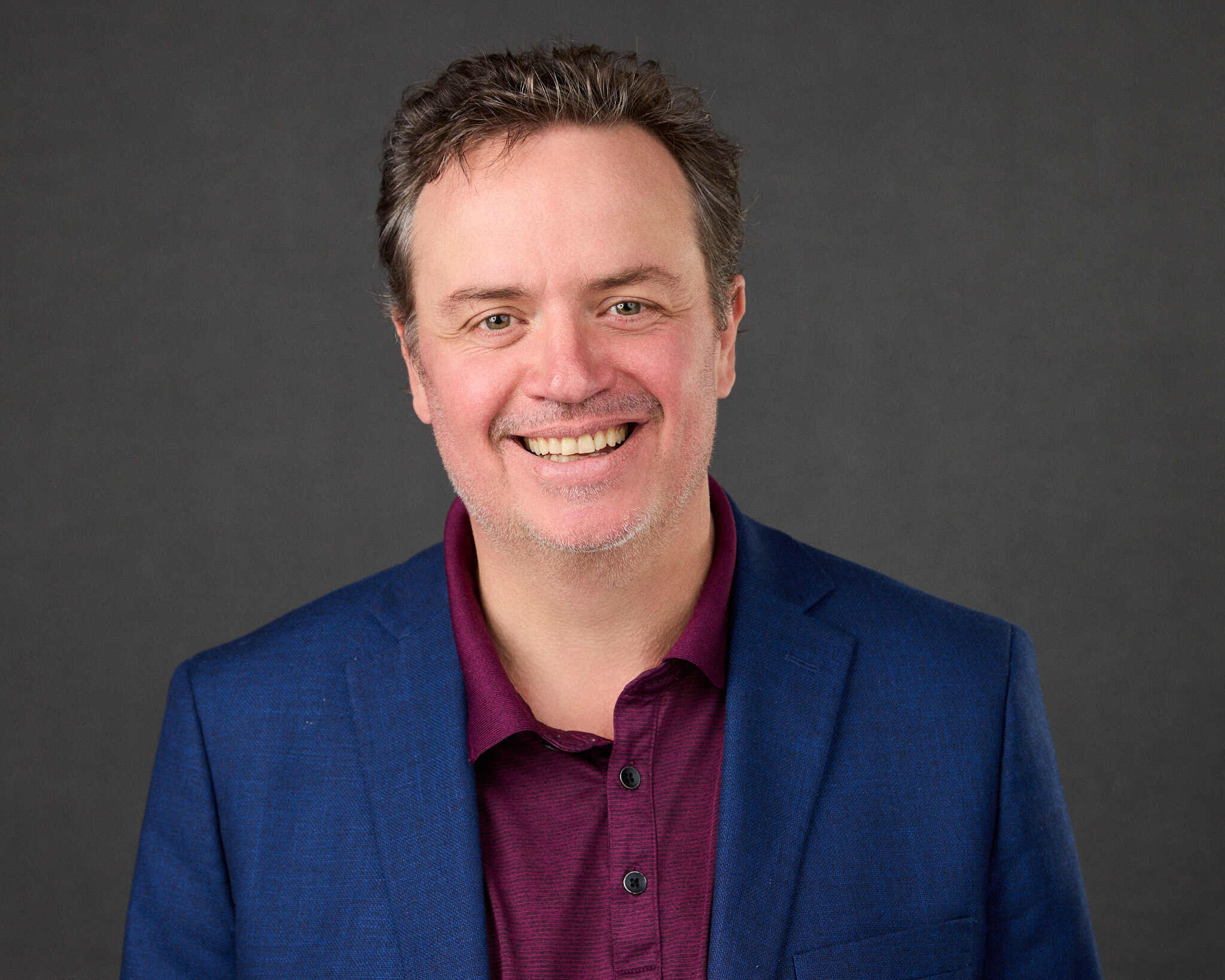
Founder
Founder and Principal
Doyle Dettro earned his bachelor's degree in accounting at the University of Illinois, passing the CPA examination while completing it, and joined Arthur Andersen on graduation. He then worked at early-stage companies, including one through its initial public offering.
For more than two decades since, his career has been in enterprise software and digital transformation, working on ERP and other enterprise systems for organizations across a wide range of industries around the world. That work has spanned business process design, solution architecture, implementation, and the commercial side of major system decisions. Over that time he has advised hundreds of businesses on their systems and operations.
He founded Firmcraft to apply that experience to artificial intelligence, which most organizations are now adopting without the discipline they would bring to any other major system. He leads every Firmcraft engagement directly and builds and operates the firm's AI infrastructure himself.
Artificial intelligence projects do not usually fail for technical reasons. They fail because the person defining the work does not understand the operational and financial processes the technology has to fit into: they have not run an implementation, have not sat through a fit-gap analysis, and cannot tell when the underlying data will not support what is being proposed. Firmcraft is built around the opposite arrangement.
The workflow is mapped before a tool is selected. Whether a process should change is settled before the question of what technology to apply to it.
Client data remains within the client's environment unless there is a specific reason for it not to, the client has agreed, and the terms have been reviewed.
Firmcraft does not resell software and does not take vendor margin. Recommendations are not shaped by partner relationships.
The person who scopes an engagement leads the implementation and remains through ongoing support. Engagements are not passed to a delivery team.
SkillCalibrate is Firmcraft's training and capability practice, covering the organizational side of artificial intelligence adoption. Where an engagement requires that a client's own people develop working competence rather than receive a delivered system, that work is carried out under SkillCalibrate.
An initial conversation carries no cost and no obligation. If artificial intelligence is not the right investment for the problem you are describing, Firmcraft will say so.
Contact Firmcraft